
Conserving the leafless Bossiaea
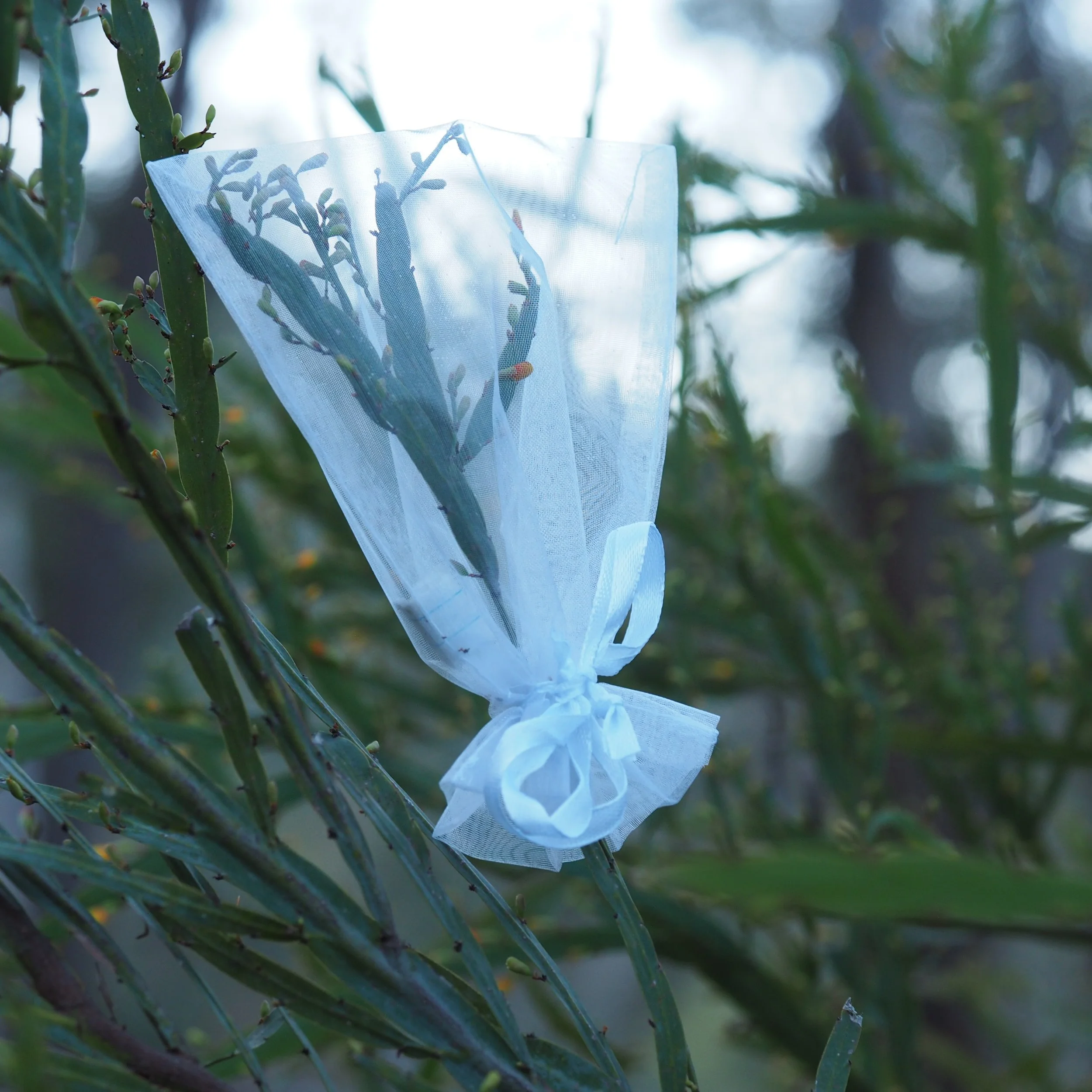
Hand pollination of Bossiaea fragrans. Pictured Guy Taseski, UNSW
A team of geneticists have helped to clarify taxonomy and conservation planning for seven leafless Bossiaea species. Written for and first published in The Gardens Magazine, Botanic Gardens of Sydney.
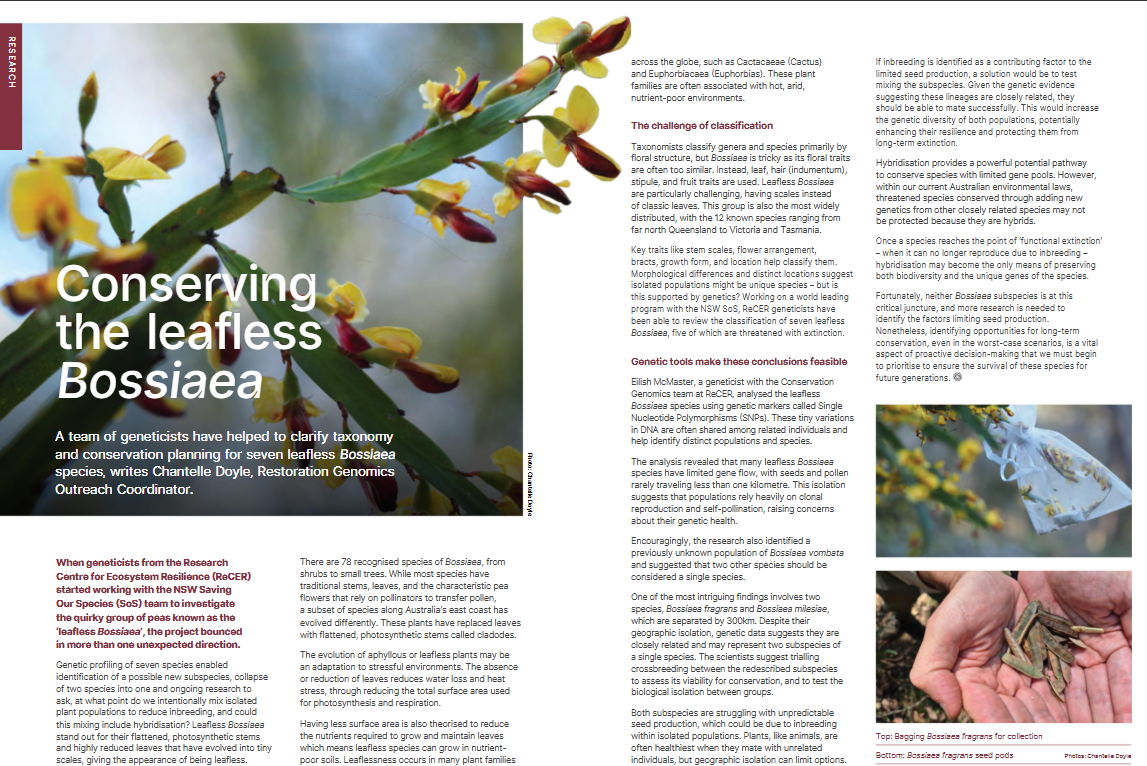
When geneticists from the Research Centre for Ecosystem Resilience (ReCER) started working with the NSW Saving our Species team to investigate the quirky group of peas known as ‘leafless Bossiaea’, the project bounced in more than one unexpected direction.
Genetic profiling of seven species enabled identification of a possible new subspecies, collapse of two species into one and ongoing research to ask, as what point do we intentionally mix isolated plant populations to reduce inbreeding, and could this mixing include hybridisation?
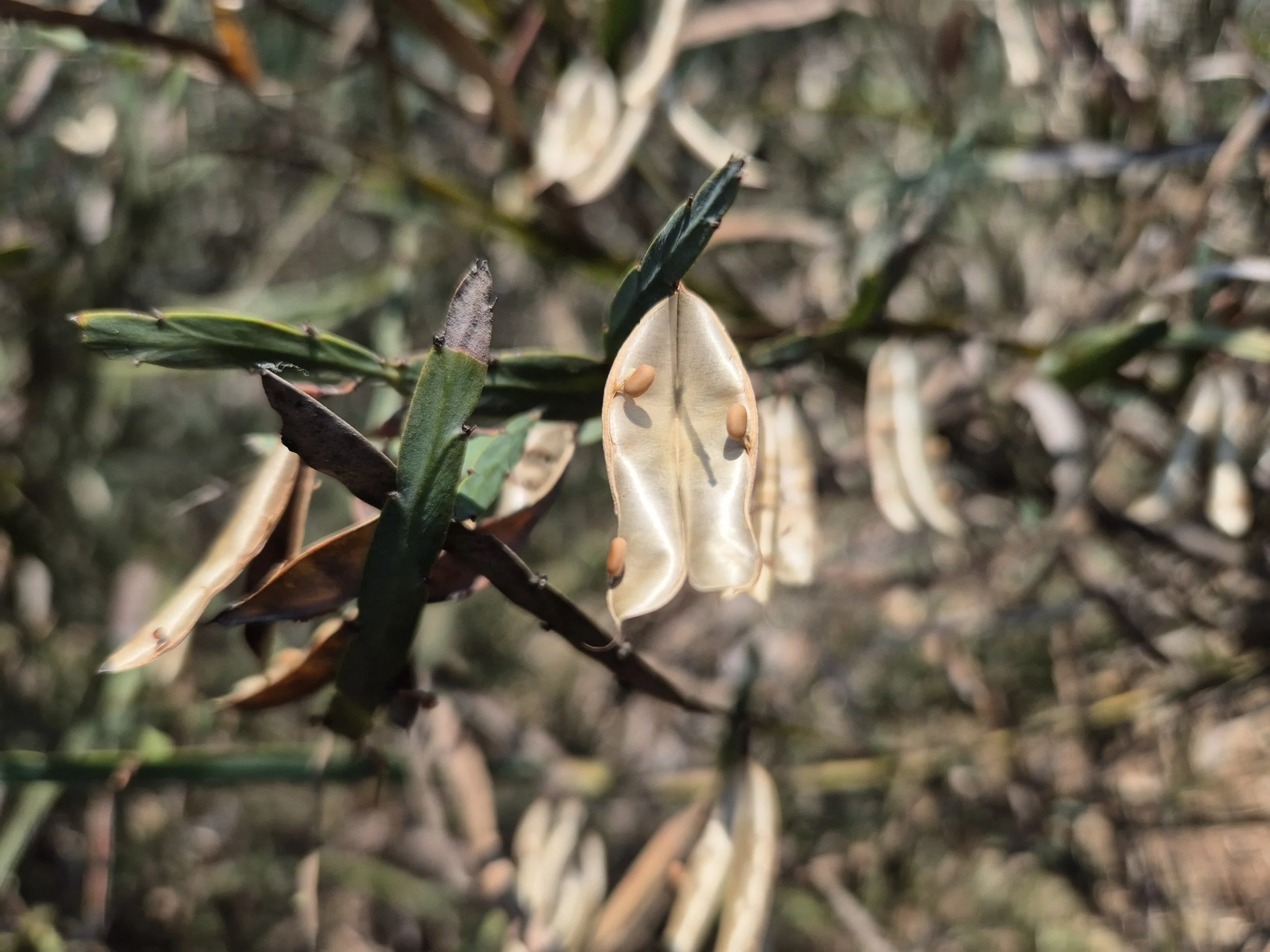
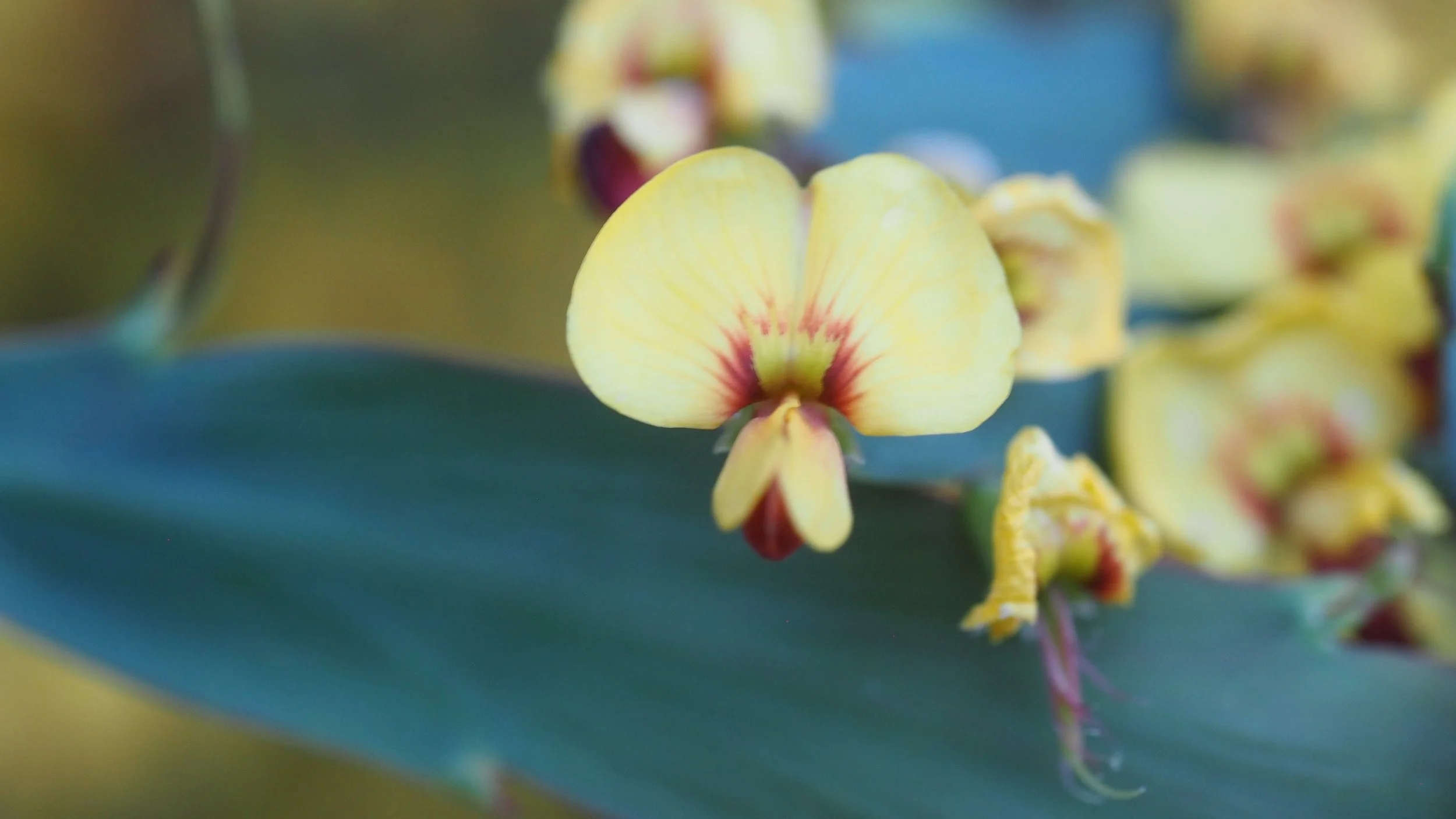
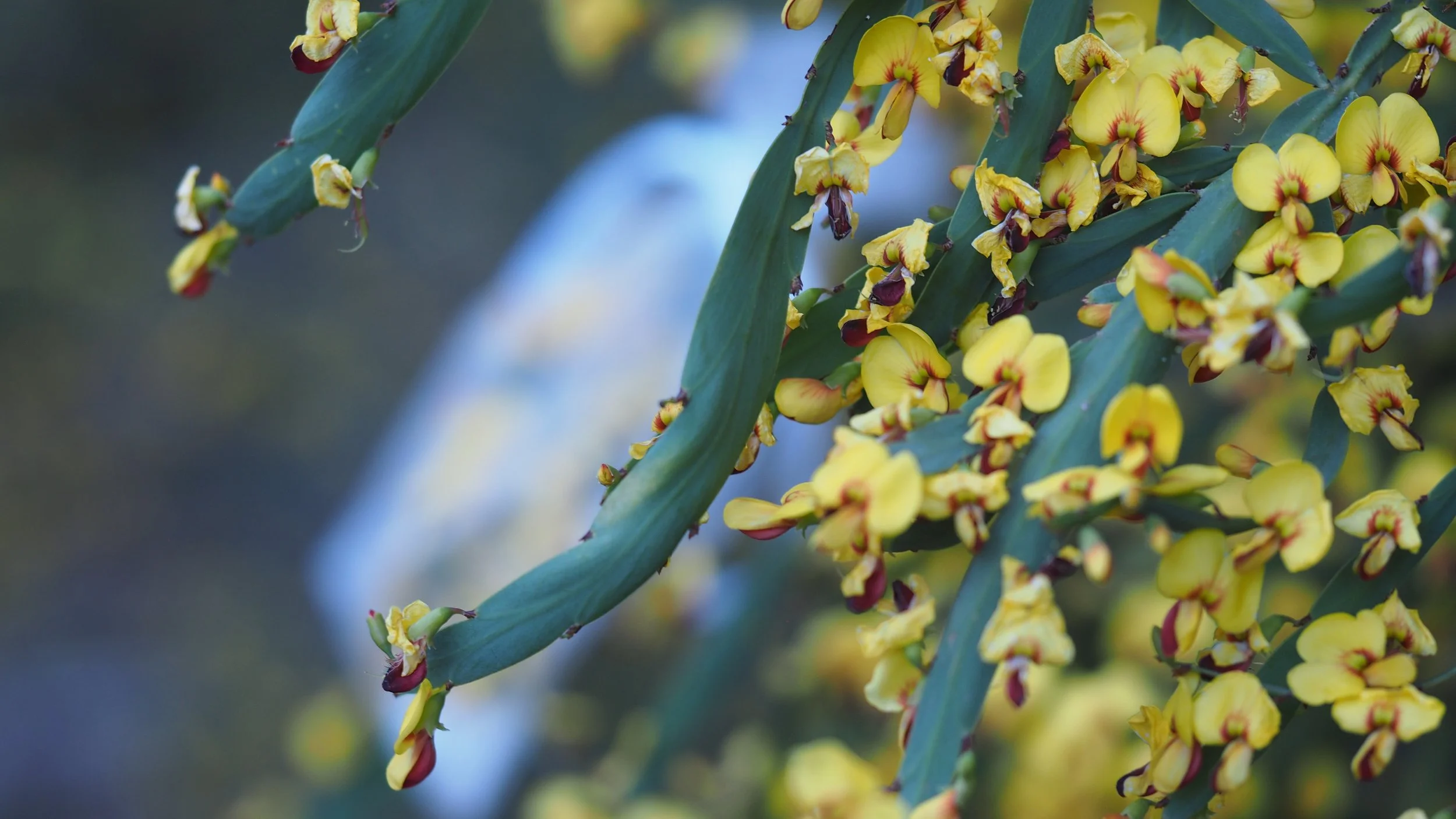
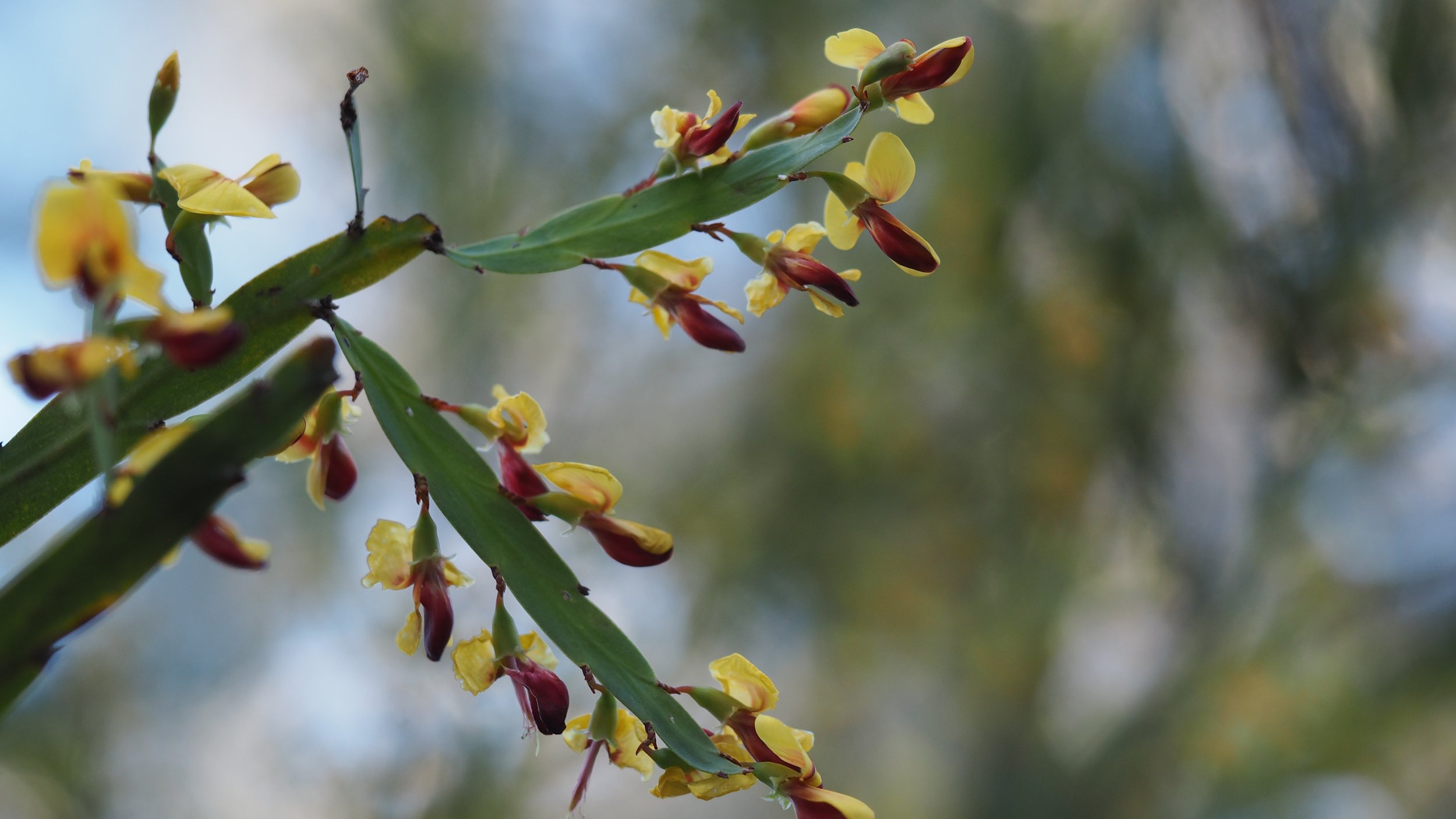
There are 78 recognised species of Bossiaea, from shrubs to small trees. Whilst most species have traditional stems, and the characteristic pea flowers that rely on pollinators to transfer pollen, a subset of species along Australia’s east coast has evolved differently. These plants have replaced leaves with flattened, photosynthetic stems called cladodes.
Why ‘leafless?’
The evolution of aphyllous or leafless plants may be an adaptation to stressful environments. The absence or reduction of leaves reduces water loss and heat stress, through reducing the total surface area used for photosynthesis and respiration.
Having less surface area is also theorised to reduce the nutrients required to grow and maintain leaves which means leafless species can grow in nutrient-poor soils. Leaflessness occurs in many plant families across the globe, such as Cactaceae (Cactus) and Euphorbiacaea. These plant families are often associated with hot, arid and nutrient poor environments.
The challenge of classifying a species, as a species
Taxonomists classify genera and species primarily by floral structure, but Bossiaea is tricky as its floral traits are often too similar. Instead, leaf hair (indumentum), stipule and fruit traits are used.
Leafless Bossiaea are particularly challenging, having scales instead of classic leaves. Key traits like stem scales, flower arrangement, bracts, growth form and location help classify them. This group is also the most widely distributed, with the 12 known species ranging from far north Queensland to Victoria and Tasmania.
Morphological differences and distinct locations suggest isolated populations might be unique species- but is the supported by geneticts? Working on a world leading program with the NSW SoS, ReCER geneticists have been able to review the classification of seven leafless Bossiaea, five of which are threatened with extinction.
Genetic tools make species classification easier
Eilish McMaster, a geneticist with the ReCER, examined the relatedness among seven leafless Bossiaea species using population-level Single Nucleotide Polymorphism (SNP) data.
SNPs represent natural variations in genome base pairs (alleles) that can influence specific traits within a species (for example, in radishes, a single SNP can determine whether flowers are purple or white) but often do not have any noticeable physical expression. These variations are more frequently shared among related individuals, allowing them to be used to assign individuals to specific populations and species.
Using SNPs, Eilish and the team found many leafless Bossiaea species have limited gene flow (<1 kilometre) indicating restricted movement of seeds and pollen. This suggests populations are persisting through a combination of clonal reproduction and self-pollination raising concerns about their genetic health.
Genetics also enabled the identification an entirely new population of the Bossiaea vombata, which was previously thought to occur only in the Wombat State Forest (Victoria). As well, the team suggested that two species should be considered a single species, simplifying conservation actions.
The most intriguing finding involves two distinct species Bossiaea fragrans and Bossiaea milesiae, which are separated by 300 km. Despite their geographic isolation, genetic data suggests they are closely related and may represent two subspecies of a single species.
In light of their genetic similarity, the ReCER team proposed that the two species could be collapsed into one species, with two subspecies (B. fragrans subsp. fragrans and B fragrans subsp. milesiae). These subspecies may be reproductively compatible, meaning they have the ability to mate.
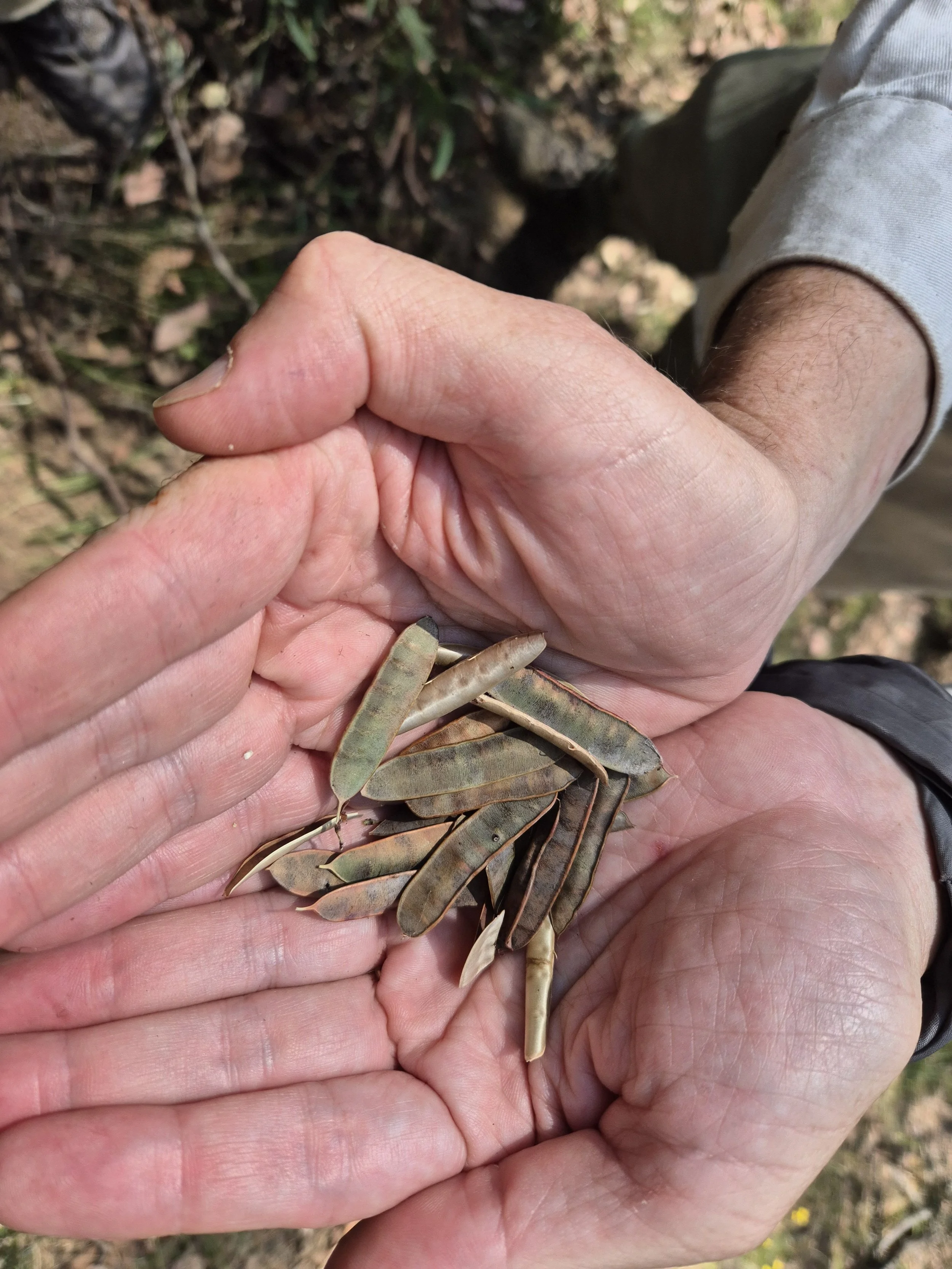
Officers within the NSW SoS program have noted that both Bossiaea milesiae and Bossiaea fragrans appear to be experiencing unpredictable seed production and recruitment. The genetic similarity of the two species highlight the potential benefits of genetic rescue or outcrossing.
“To prevent continuing inbreeding and ensure the survival of these species, we recommend introducing genetic diversity through controlled crossbreeding. For instance, crossbreeding between subspecies could enhance fertility and seed viability”
This theory is currently being investigated in collaboration with the University of New South Wales Sydney. Honours candidate Natalie Allen is testing if there is a change in seed production when unrelated plants are crossed. Just like animals, many plants are fittest when they mate with unrelated other plants, but isolation can result in limited mate options and consequentially reproduction within family groups or between siblings.
If inbreeding is identified as a contributing factor to the limited seed production, a novel and unexpected solution would be to test hybridization between B. fragrans and B. milesiae. Given the genetic evidence suggesting these lineages are closely related, they should be able to mate successfully. This would increase the genetic diversity of both populations, potentially enhancing their resilience and protecting them from long-term extinction.
Hybridisation provides a powerful potential pathway to conserve species with limited gene pools. However, within our current Australian environmental laws, threatened species conserved through adding new genetics from other closely related species, may not be protected because they are hybrids.
Once a species reaches the point of ‘functional extinction’—when it can no longer reproduce due to inbreeding—hybridisation may become the only means of preserving both biodiversity and the unique genes of the species.
Fortunately, neither Bossiaea subspecies is at this critical juncture, and dedicated research is needed to identify the factors limiting seed production. Nonetheless, identifying opportunities for long-term conservation, even in the worst-case scenarios, is a vital aspect of proactive decision-making that we must begin to prioritize to ensure the survival of these species for future generations.
A team effort
Plant specimens for this research were collected from Gundungurra, Ngarigu, Dhurga, Djirrigany, Wiradjuri, Dhudhuroa, Woiwurrung and Palawa Country.
No effective project can occur in isolation. Investigation of leafless Bossiaea taxonomy, and breeding systems has relied on support from the NSW Saving Our Species program (NSW Department of Climate Change, Energy, the Environment and Water), the NSW National Parks and Wildlife team and the University of New South Wales Sydney. Generous time was given by staff from the Royal Tasmanian Botanical Gardens, La Trobe University, The Royal Botanic Gardens Victoria, and the Office of Nature Conservation (ACT Environment Planning and Sustainable Development Directorate).
Special thanks are also extended to the coauthors of the Bossiaea paper, including botanists Keith McDougall, Neville Walsh, and Elizabeth James, as well as field experts Nic Jario and Jessica Peterie