
Ancient dna:Not just for fossils
“It is great to be part of a project where we can embed new and exciting technologies within existing resources. It is a whole new chapter, with the aim to be world leading with new sampling and genomic protocols”
Edana Lord
Advanced genomic methods make available DNA sequences from hundreds of previously inaccessible degraded plant specimens . Written for and first published in The Gardens Magazine, Botanic Gardens of Sydney.
Ancient DNA methods are more powerful than simply describing enigmatic creatures like woolly mammoths or dire wolves. These techniques can be used to assemble a snapshot of biodiversity in an entire ecosystem, understand the impacts of a changing climate, and recreate genomes from samples that were once thought too damaged or degraded to contain any readable DNA.
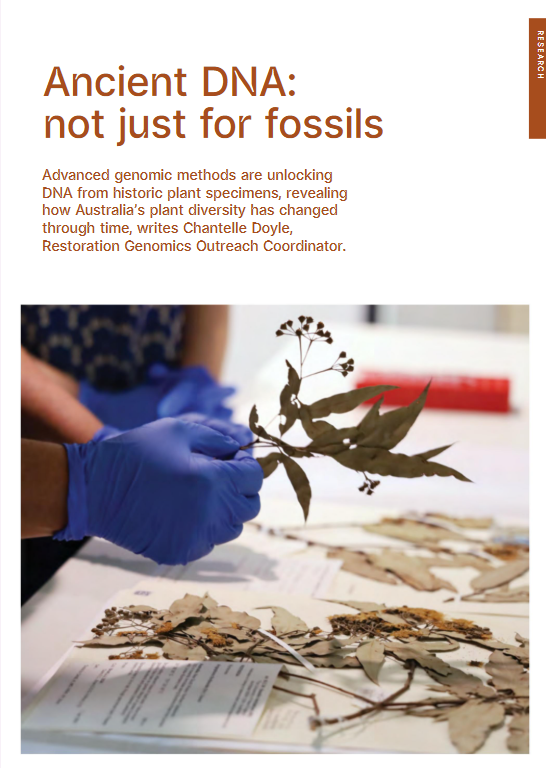
First published in
The Gardens Magazine
Bringing to life our planet’s past
Driving along the Hume Motorway in Sydney, enroute to the National Herbarium of New South Wales, I am enthralled by stories about ancient DNA sequencing. Next to me sits Dr Edana Lord, a palaeogeneticist who completed a PhD at Stockholm University. Edana’s training focused on using ancient DNA to interpret climate change impacts on animals including the extinct woolly rhinoceros, as well as lemmings and muskox. These days Edana has been using her skill set for plants, but regardless of organisms the techniques remain transferable.
Edana joined the Research Centre for Ecosystem Resilience (ReCER) in 2024 and is now using her ancient DNA expertise to help the National Herbarium of NSW access the damaged and degraded DNA of old plant specimens. The long-term goal being to create a picture of the genetic health and diversity of NSW plant species across both their current distribution, as well retrospectively, through time.
“It is great to be part of a project where we can embed new and exciting technologies within existing resources. It is a whole new chapter, with the aim to be world leading with new sampling and genomic protocols.” says Edana.
While we drive, Edana tells me about the big leaps in ancient DNA technology. The first ancient DNA was recovered in 1984 from an extinct zebra, known as the Quagga. Over the last couple decades, there have been multiple breakthroughs that have pushed back how far into the past we can recover ancient DNA. In 2013, the then oldest genome was retrieved from horse bones preserved in permafrost for between 560-780 thousand years. Another leap in 2021 where researchers overcame theoretical barriers in DNA quality to successfully extract and sequence genomes from mammoth molars dated over one million years of age. Then of course, the study that makes jaws drop; the oldest DNA sequenced. This ancient DNA, estimated at two million years of age, was retrieved from sediments in Greenland and used environmental or eDNA methods to recreate the picture of an entire ecosystem, teeming with ferns, birch and poplar trees as well as horseshoe crab, elephants and mammoths and relatives of hare, voles and geese.
What is ancient and degraded DNA?
Despite captivating stories, ancient DNA is not just from old fossils. Technically it is DNA from any biological sample that has not been intentionally preserved for later use. These days genomics is incorporated into a lot of research, and many samples are routinely frozen fresh at -80, then freeze dried, snap storing the intact DNA, theoretically forever. Other samples not handled in this way, and left to the elements, run the risk of DNA degradation, making it progressively harder to reassemble. Edana explains
“When an organism dies, the repair systems that keep the DNA intact are no longer active and there immediately begins some degradation of the DNA. Over time, the once continuous strands break into smaller pieces. You could start, for example, with a 10-piece puzzle which is very easy to put back together. But over time, as that breaks down, we're looking at more of a 2-million-piece puzzle.”
The process of reliably reassembling degraded DNA therefore requires a reference. A reference genome is a fresh sample from living specimen or close relative which is used as a template against which the degraded specimen can be mapped.
Why are ancient DNA methods needed for Herbarium specimens?
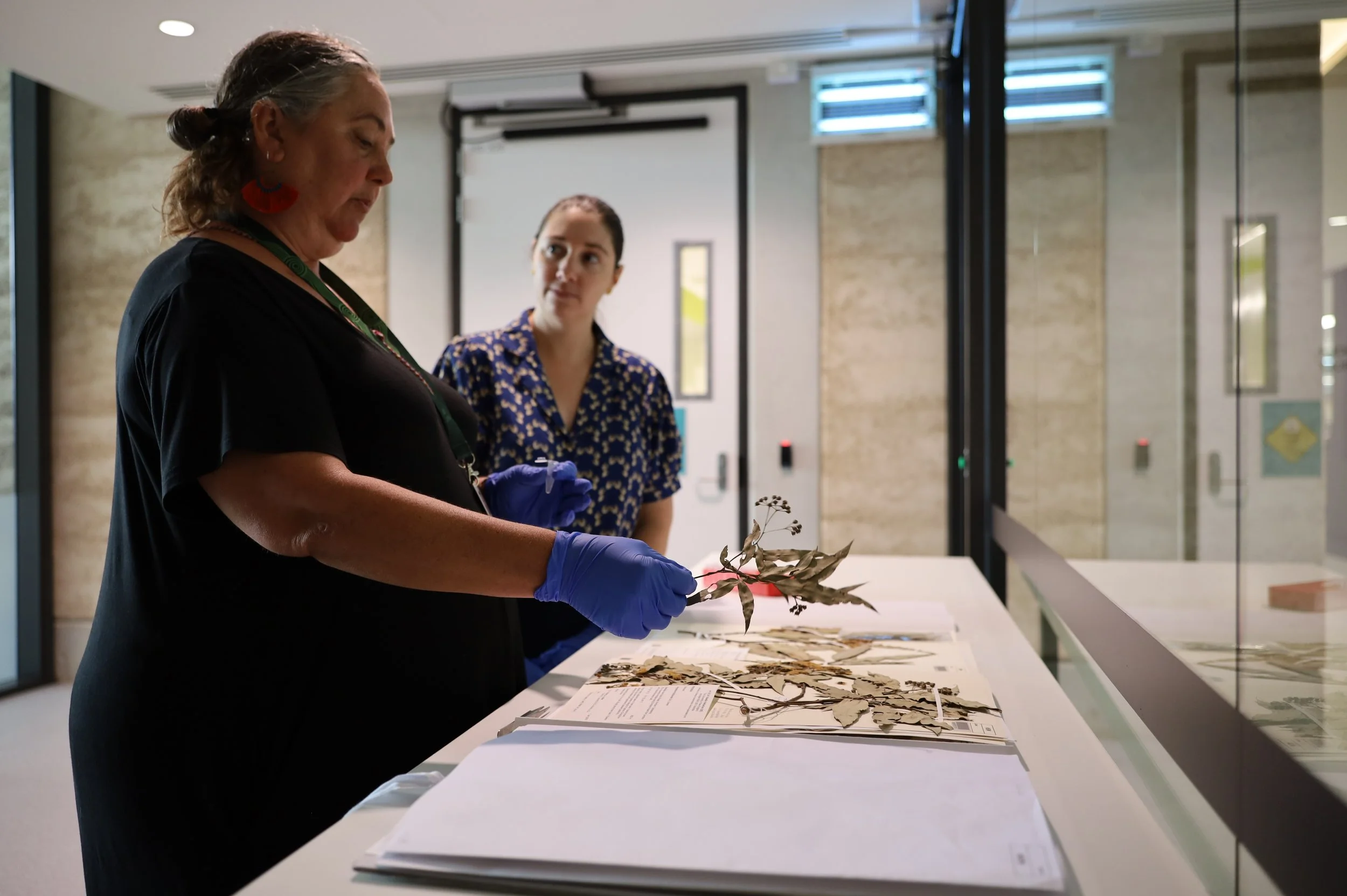
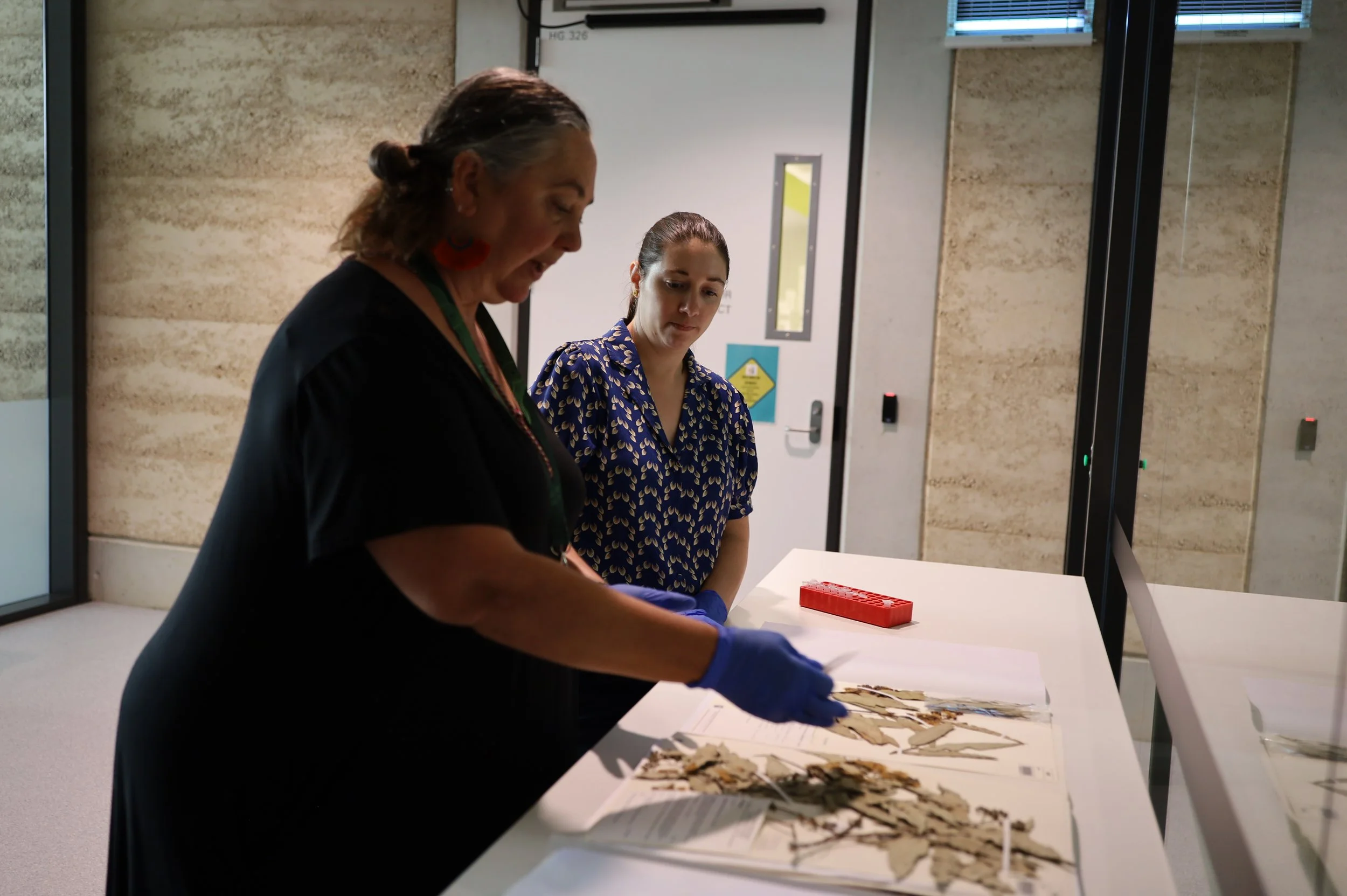
Arriving at the National Herbarium of NSW Herbarium of NSW we are greeted by its collection manager, Dr Hannah McPherson. Hannah is excited, and a little overwhelmed at the growing interest and demand for herbarium specimens, particularly their DNA.
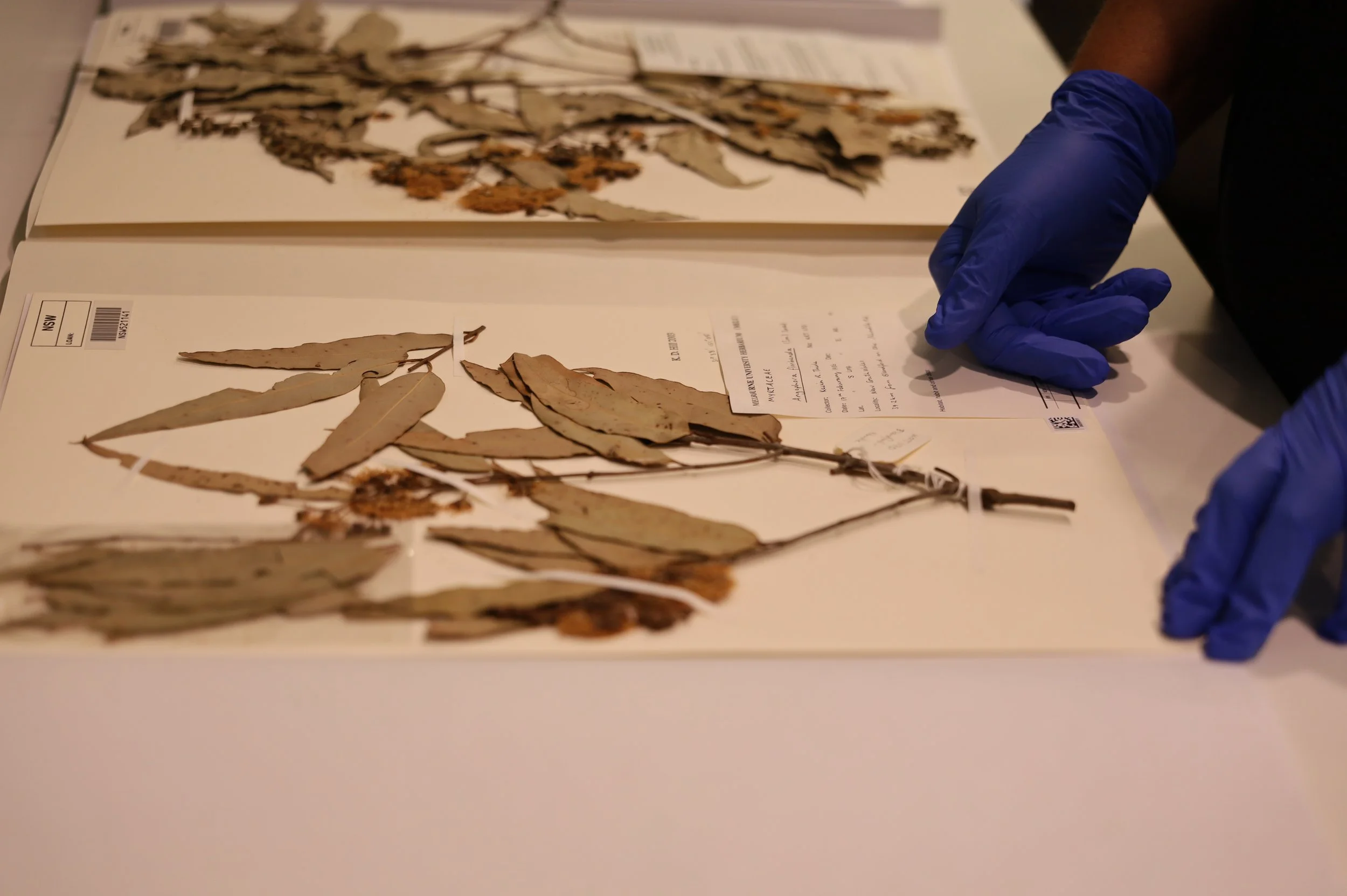
“Contrary to what some people might think the demand for our specimens keeps growing. Our Herbarium holds over 1.4 million plant specimens and counting. Each specimen tells a unique story that can be accessed through records of pollen, seed, morphology and location, as well as DNA. Our Herbarium isn’t just a collection of ‘stuff’ it is actively used for research and has wild potential to help in all manner of conservation initiatives, now and in the future”
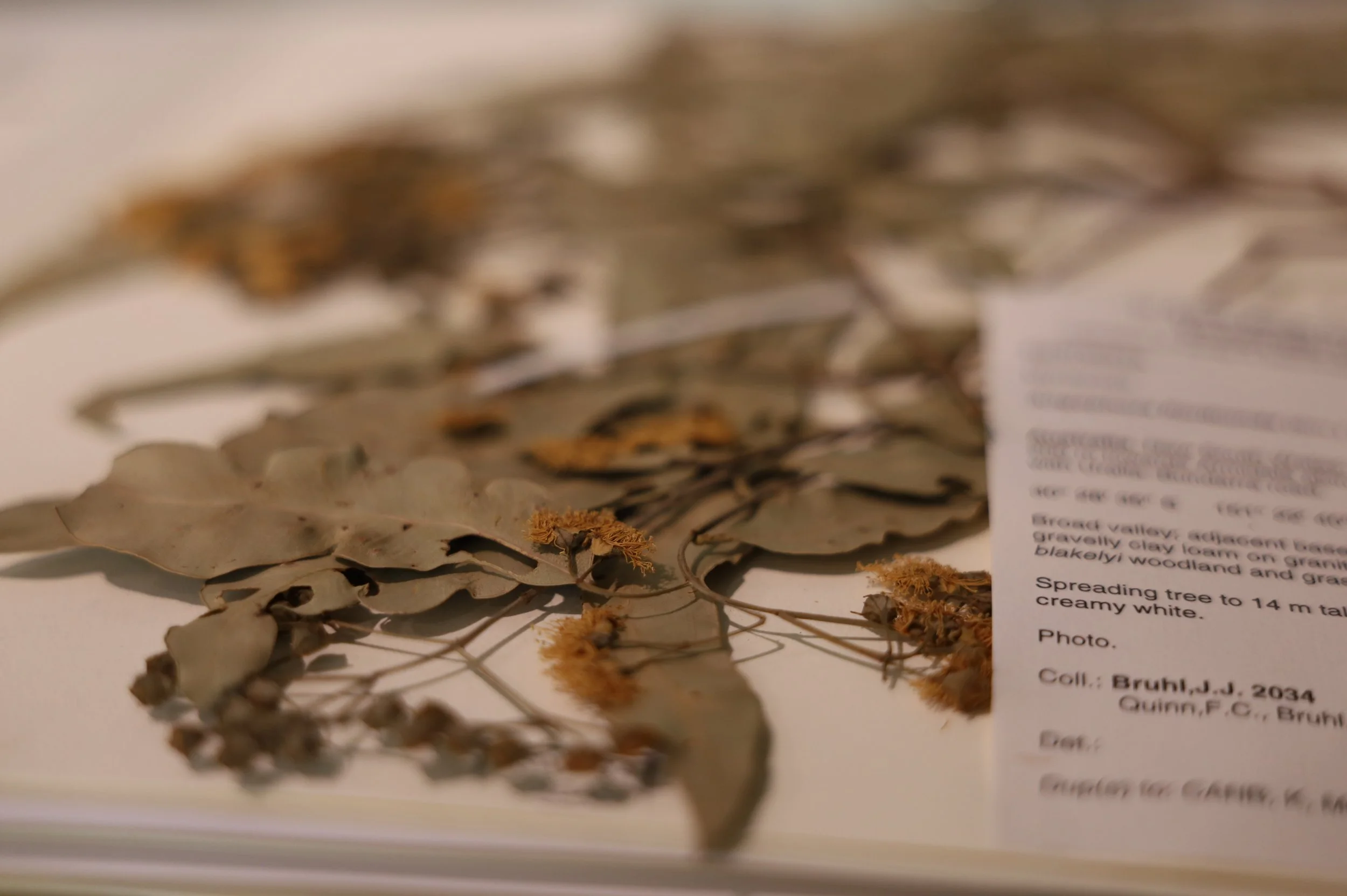
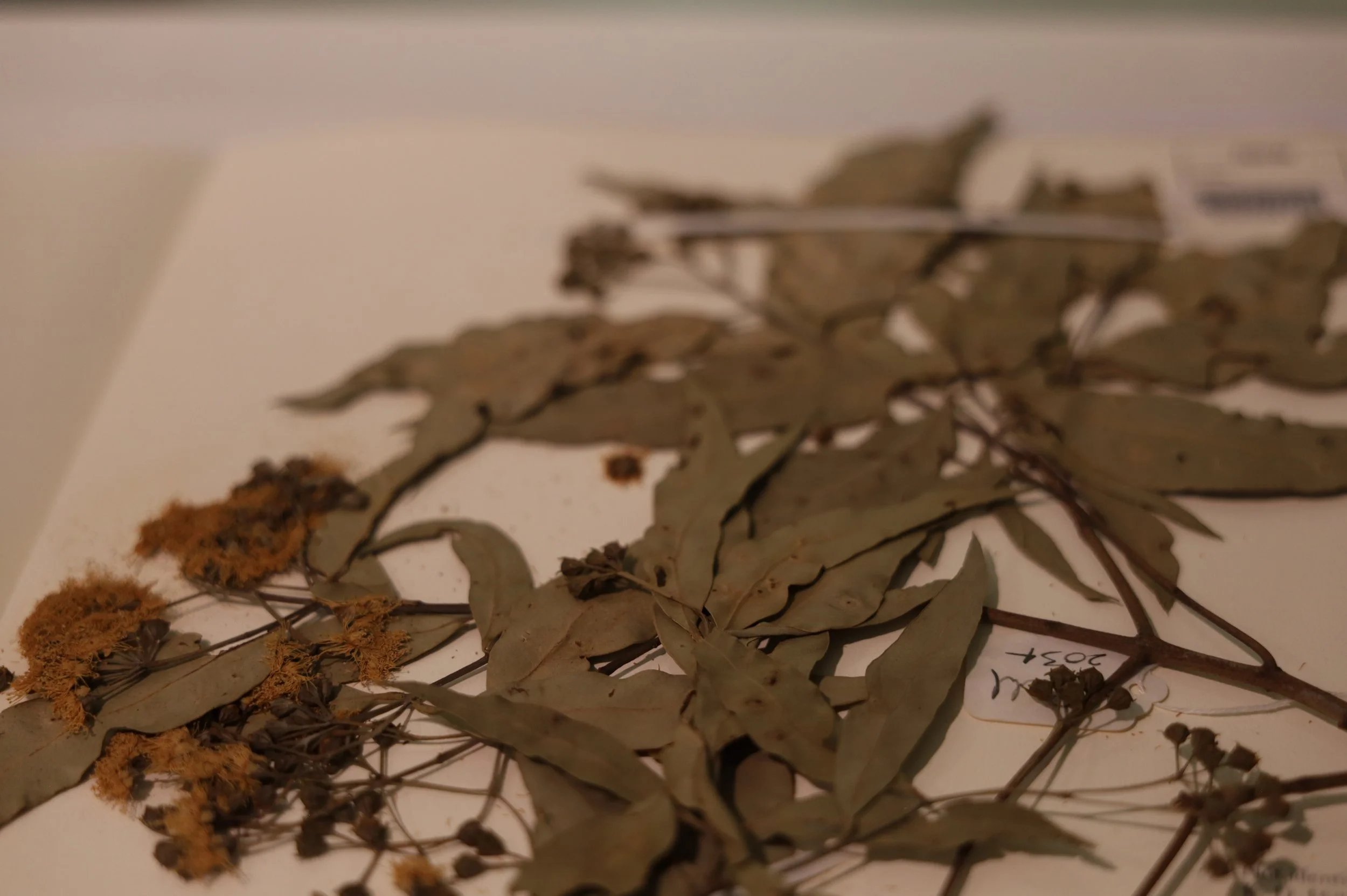
The oldest specimen dates to 1769, collected by Banks and Solander on Cook’s voyage to New Zealand, as well as over 800 specimens they collected in Australia in 1770. As a result of digitising the entire herbarium collection, the team also discovered specimens from the 1930’s collected by world-renowned First Nations painter, Albert Namatjira. Sequencing the DNA of all these specimens will complement a growing story of the landscape, climate and vegetation from Australia’s past.
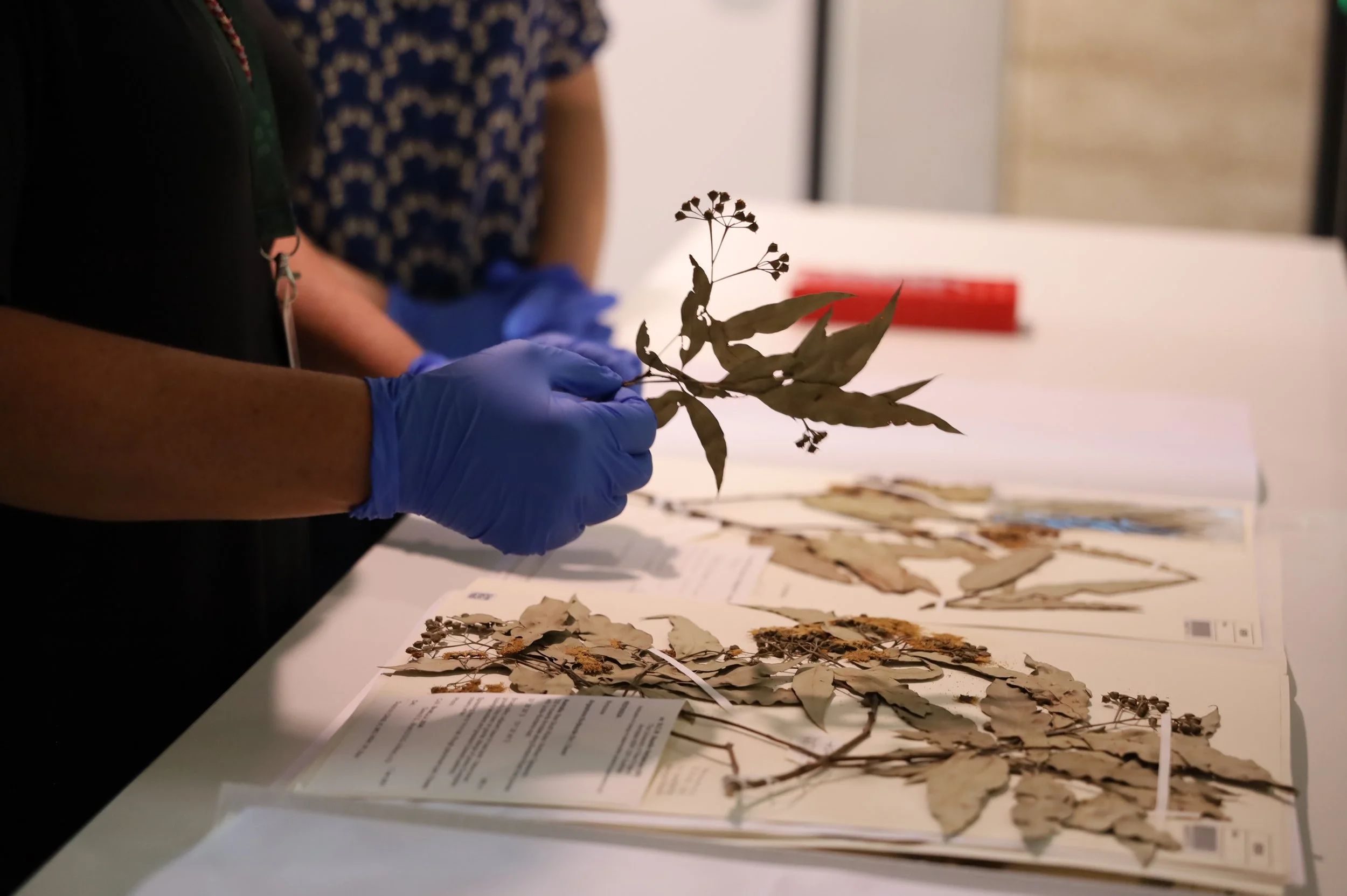
Ancient DNA methods are expected to be needed for specimens over 100 years of age, but because conditions can either speed up or slow down the process of DNA degradation, the team will be screening specimens dated pre-1980. Whilst many of the newer specimens or vouchers in Herbarium are stored under strict humidity and temperature conditions, older specimens haven’t been so delicately handled. It may also take many months or even years before a plant specimen finally makes its way into the climate-controlled vaults of the herbarium. During this passage from field to building, a sample could have experienced scorching heat for days or even weeks, transit across humid or damp conditions, being jumbled with other living organisms such as bacteria and fungi, and it could have been exposed to atmospheric contaminants.
Some plants with a high-water content such as fleshy succulents, cactus or orchids can’t be pressed successfully and need to be stored in ethanol or other fixatives. Although ethanol doesn’t damage the DNA, the water content of these plants can dilute it, exacerbating degradation. Traditionally the DNA from these types of species has been notoriously difficulty to handle, but with state-of-the-art ancient DNA methods, the degradation can be managed, and samples can be reliably mapped against a reference.
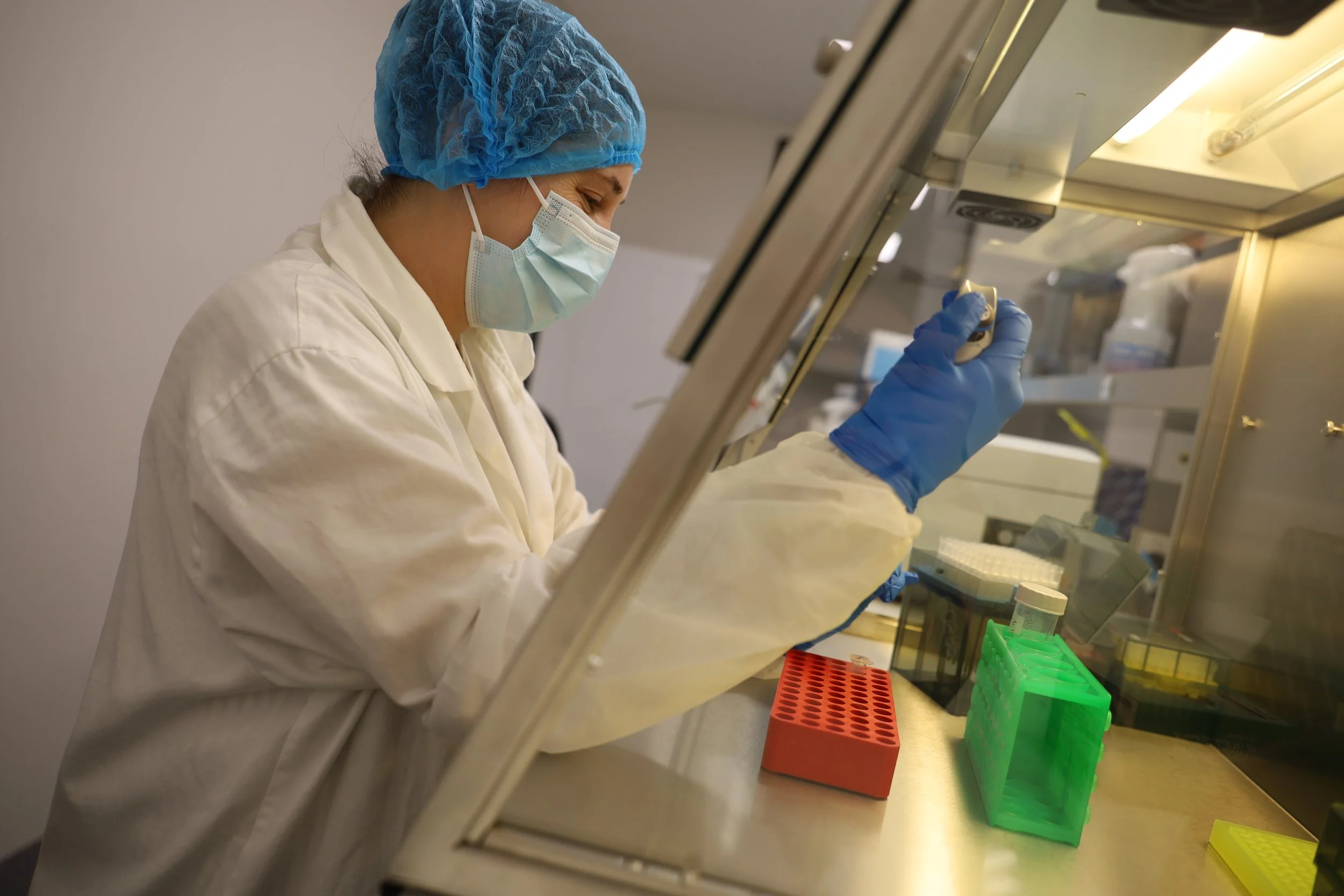
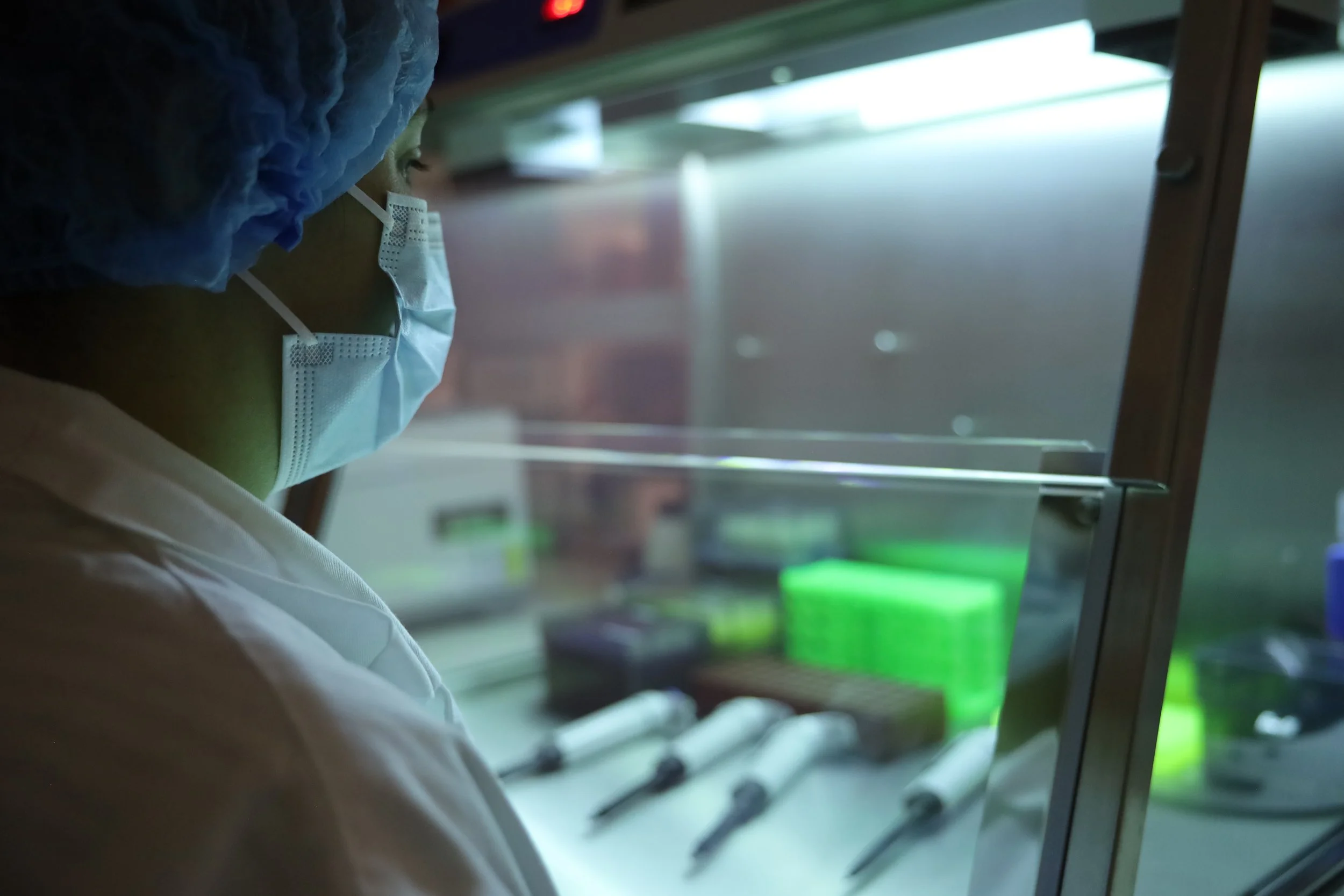
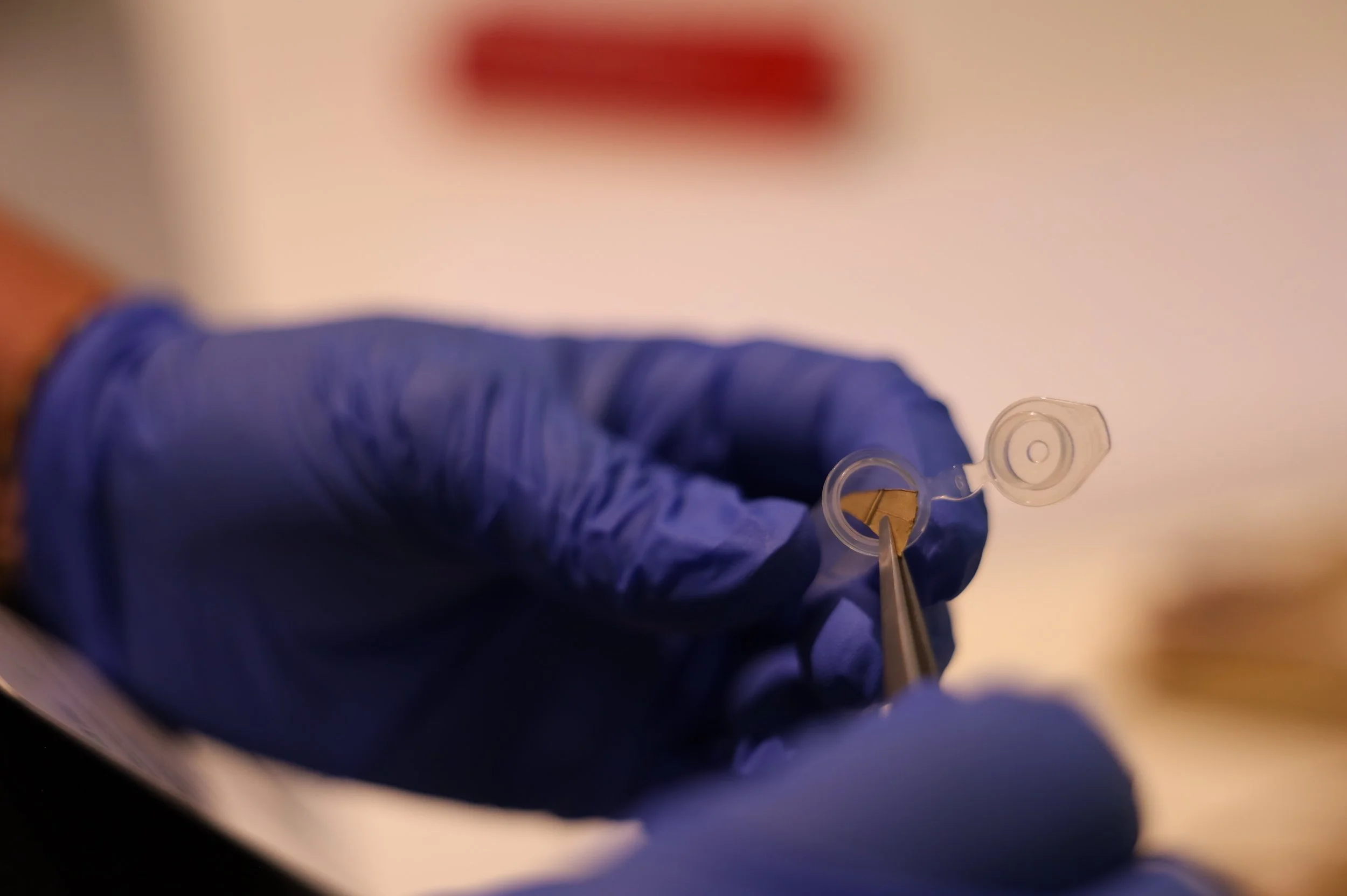
Edana Lord extracting DNA using controlled Ancient DNA protocols
How do researchers know the DNA is from their target?
For geneticists discerning target DNA from ‘contamination’ is a challenge. To minimise chances of contamination all laboratory work is conducted in sterile environments, but this doesn’t impact how the sample was handled before it arrived at the lab. The handling and storage process dramatically impacts DNA condition. Edana explains that one of the most difficult parts of ancient DNA work is determining which DNA fragments belong to the ‘target’ or organism of interest and which are from other organisms, or contaminants. She explains there are three techniques used to verify if the DNA is from target plant and not from contamination.
“To check that the DNA sequences are from the species we are interested in, and not contamination or bacteria, we look for three things. Firstly, we expect the DNA sequences to be short since the DNA has been chopped up over time. Secondly, there should be even coverage of the DNA sequences, meaning that they occur across the genome and not in clusters. Finally, and most importantly, we see a characteristic signal of DNA damage, called a C to T substitution. This occurs when the cytosine amino acid goes through a process called deamination and becomes uracil, which then produces a thymine during DNA sequencing.”
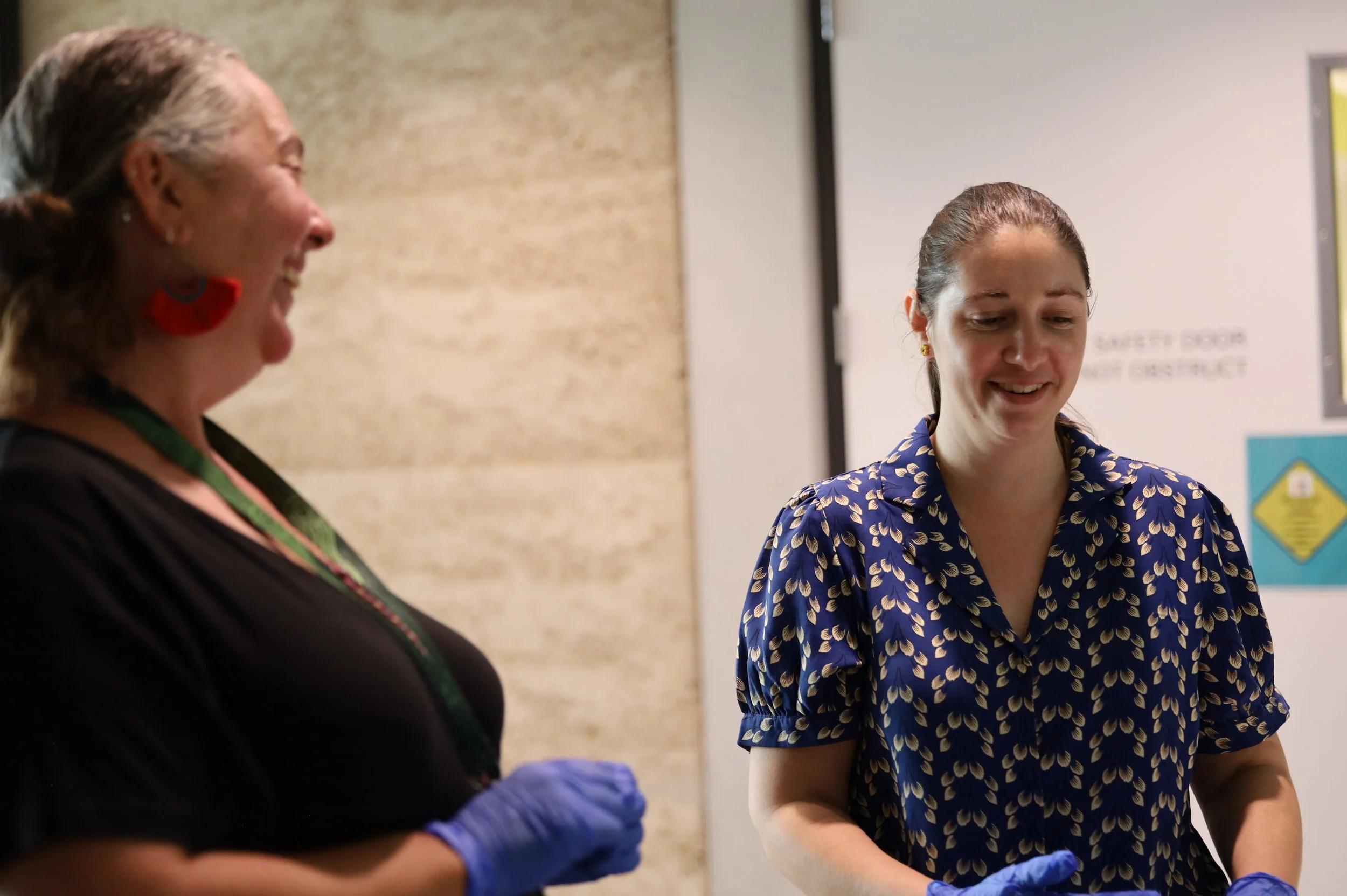
“This isn't just some theoretical research. This can have a positive, practical landscape-scale impact”
Hannah McPherson
How will the data be used?
Although DNA has been extracted from Herbarium specimens since the 1980s it has occurred in an ad hoc way. This project represents a large-scale initiative, to address both growing demand, and begin answering landscape scale conservation questions.
“We have growing requests for samples from our collection” says Hannah, “not just in Australia, but around the world. Because it is time consuming to fill these requests many herbaria have had to start declining what we call ‘destructive sampling’ [taking samples for DNA extraction]. That isn’t something we want to do here. Instead of declining requests we want to mobilise the skills we have in-house, and work with Edana and the team at ReCER, to develop a system to start making genetic data publicly available, pairing this with the digital samples from the Virtual Herbarium”
Many of the sample requests are used for conservation, particularly understanding how the genetic diversity and health of a species have changed over time, within populations, and across its distribution. Pairing geographic history, morphology (flower and leaf dimensions) and pollen structure with the genotype, paints a powerful picture of the past. In being able to access old samples from Australia’s very earliest collections researchers can revisit that landscape and track whether the species we have today mirror or match past diversity. Conservation genetic data can also be used to search for populations which still contain these “old” genotypes and promote programs to collect, breed or strategically cross them back into wild populations.
“This isn't just some theoretical research. This can have a positive, practical landscape-scale impact,” says Hannah. Pilot studies have already been funded through the BioPlatforms Australia and the Department of Climate Change, Energy, the Environment and Water (DCCEEW) to begin sequencing the entire genome Forest Red Gum (Eucalyptus tereticornis), an important koala food tree. This study aims to establish if Herbarium specimens represent the genetic diversity currently seen in wild plant populations or if ‘lost’ genotypes can be found and included in new plantings. The information will in turn be used to guide resilient restoration practices.
The Ancient DNA project is more ambitious than single species. Professor Maurizio Rossetto, Head of ReCER sees the program as a catalyst for changing the way we think of restoration. “The Ancient DNA project is enabling us to test multiple species simultaneously. Sending out teams to collect specimens from the wild takes a huge amount of time and resources, and we are still potentially missing evolutionary shifts in populations. Embedding Herbarium sampling across multiple species will not only answer conservation questions and help us plan genetically representative restoration, but also be a big cost saver, meaning we can afford to allocate more of our team’s resources to a greater number of species. Using our Herbarium we can capture the entire species distribution in one room as opposed to field sampling across the entire east coast, for example.”
Long term the Ancient DNA project hopes to make Herbarium sampling part of the standard process for gathering population wide genetic data. “We still don’t know what is occurring at a population level for many species, particularly short-lived species which might have faster population turn over and evolutionary changes” says Maurizio. We genuinely don’t know if what we have in the Herbarium is reflective of the wild, or have there already been temporal changes in the population structure and diversity.”
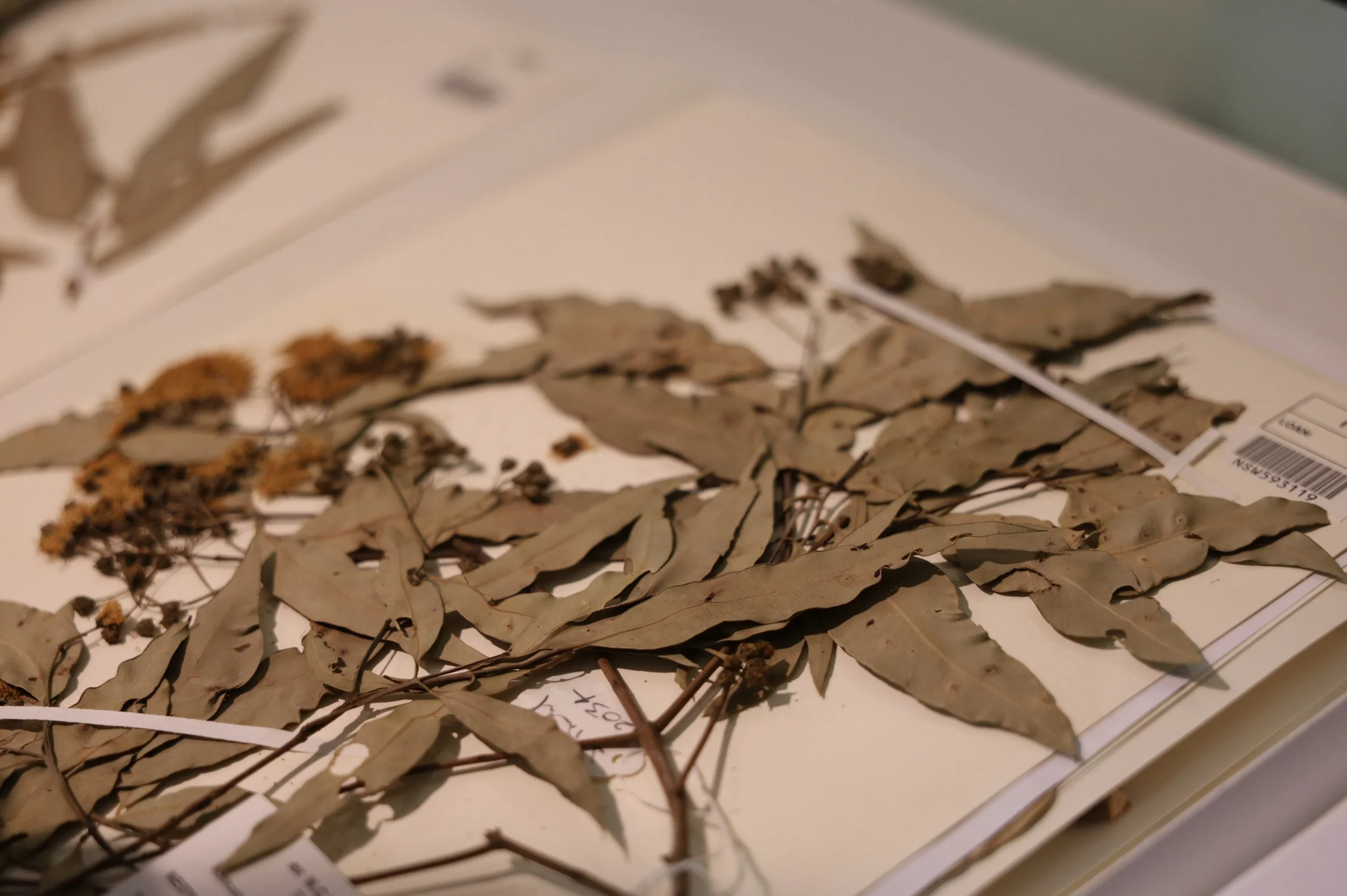
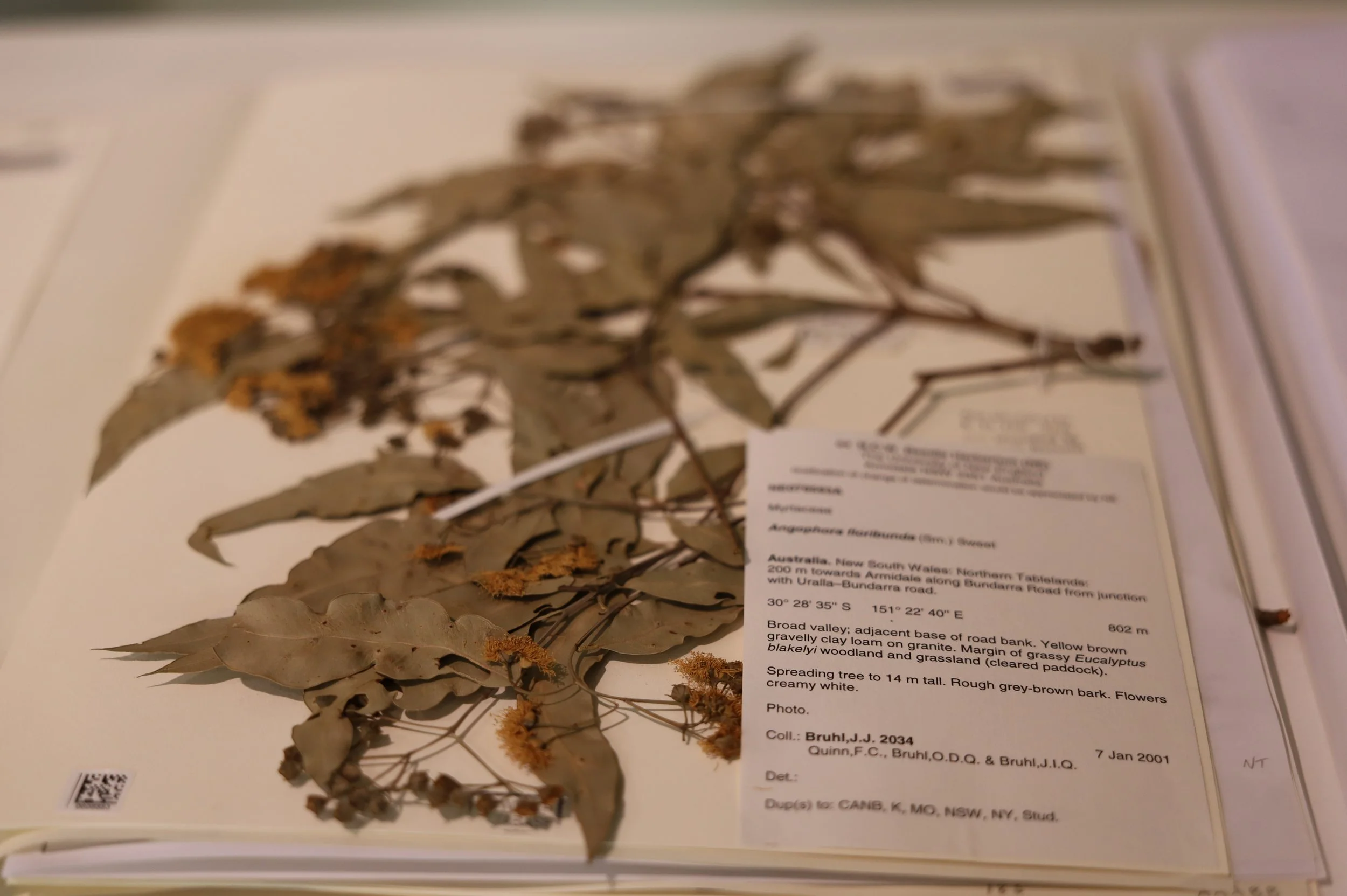
A free resource
This project is the initiative of staff at the Research Centre for Ecosystem Resilience and the National Herbarium of NSW. The Gardens team always aim to think of new ways to mobilise collections into a dynamic, public and freely accessible resource. The data will complement digital specimen images on the Herbarium Search Portal which was launched in 2025. The data will also contribute to the Restore and Renew platform, which helps guide collection and implementation of climate ready restoration projects. Incorporating historical data will help users of this free platform ensure that their collections are representative of the species’ extant diversity.
How can you help with the Ancient DNA initiative?
This initiative is seed funded but long term not part of a dedicated project or grant. Any donations or contributions to this undertaking would be greatly appreciated. The Botanic Gardens of Sydney welcomes volunteers at all its locations including the National Herbarium of NSW Mt Annan.
Acknowledgement
The first phase of this project has been supported by funding from Bioplatforms Australia and the NSW Department of Climate Chance Energy the Environment and Water